
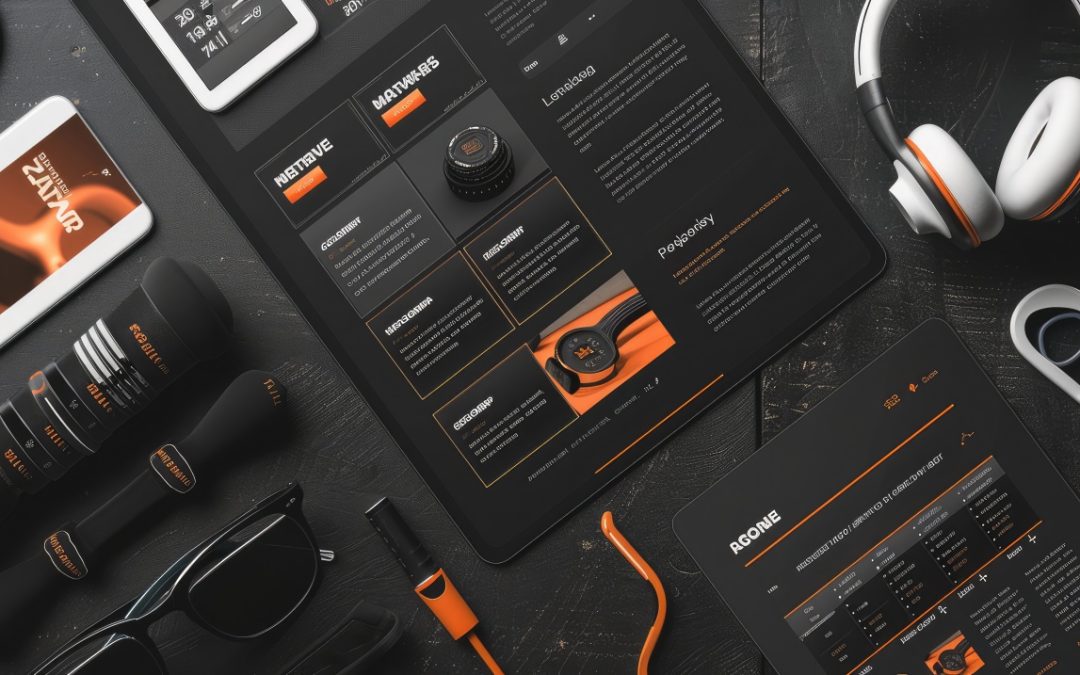
UI/UX design in 2026 is no longer just an aesthetic enhancement to websites and apps — it is becoming the foundation of a successful digital presence and a key factor for user engagement, conversions, and brand recognition. As technology evolves and user expectations change, UI/UX designers must keep up with the trends shaping digital products, as well as user behavior overall.
What is UI/UX design and why is it important?
UI (User Interface) design refers to the visual side of digital interfaces — appearance, colors, typography, arrangement of elements and aesthetics. UX (User Experience), on the other hand, includes the entire experience of the user when interacting with the product — from the first visit to the fulfillment of the goal, whether it is a purchase, registration or information. Their synergy is essential for digital solutions not only to attract but also to retain users.
UI/UX design trends in 2026
AI-First and personalized UI/UX strategies
In 2026, artificial intelligence will become the starting point of UI/UX design, not just an additional tool in the later stages of development. An AI-First approach means that the user interface and experience are designed with the assumption that the system will adapt to the user in real time. Instead of a one-size-fits-all design, digital products analyze user behavior, their habits, preferences, and context of use to provide a personalized experience.
This approach significantly increases user engagement, as content, navigation, and visual elements are tailored to individual needs. For example, a website can automatically highlight content that is most relevant to the user or simplify the interface for users who want to interact quickly and efficiently. Personalized UI/UX not only improves user satisfaction, but also directly impacts conversions and brand loyalty.
Generative User Interfaces (GenUI)
Generative user interfaces represent a major leap forward in the way digital spaces are designed and experienced. In 2026, UI is no longer a static set of predefined elements, but a flexible system that adapts itself to the user’s goals. GenUI uses data, artificial intelligence, and contextual signals to generate an interface on the fly that best suits the current situation.
This means that two users can use the same product but have a completely different experience. One user may see advanced options and detailed information, while another may see a simplified view focused on basic functions. This approach significantly reduces cognitive load and enables more intuitive use of digital products, which is crucial in a world of increasing digital complexity.
Zero UI and multimodal interactions
The Zero UI concept is becoming increasingly prevalent in 2026 thanks to the development of voice assistants, sensors, wearables, and smart environments. The idea of Zero UI is based on the reduction or complete elimination of classic graphical interfaces, making interaction more natural and closer to human behavior.
Multimodal interactions combine voice, touch, gestures, and contextual information to allow users to interact with digital systems in a way that feels most natural to them. This approach is especially important in automotive systems, smart homes, and mobile applications where speed and simplicity are key. UI/UX designers in this field are increasingly thinking about the experience, and less about the classic interface.
Emotional UX design
In 2026, successful UX design is not just about functionality, but also about emotions. Users expect digital products to be empathetic, understandable, and tailored to human needs. Emotional UX design focuses on creating a sense of trust, security, and satisfaction while using a product.
A human-centric approach implies a deep understanding of users, their problems and expectations. Design is shaped around real usage scenarios, not just technical capabilities. Such UX design helps brands build a long-term relationship with users and differentiate themselves in a market where products are often functionally very similar.
Accessibility and inclusive design as standard
Accessibility in 2026 is no longer optional, but a necessary part of quality UI/UX design. Inclusive design implies the creation of digital products that are equally accessible to all users, regardless of their physical, cognitive or technical capabilities. This includes adjusting contrast, typography, navigation and interactions to make content understandable and usable for everyone.
In addition to being ethically correct, accessible design also has a strong business impact. Websites and apps that are inclusive reach a wider audience, have better SEO results and lower bounce rates. In 2026, accessibility is seen as an integral part of a quality user experience, and not as an additional technical requirement.
Motion UX and microinteractions
Motion UX and microinteractions play a key role in improving the understandability and enjoyment of digital products. In 2026, animations are used thoughtfully and purposefully, with the aim of providing the user with clear feedback about their actions. Microinteractions help the user understand what is happening in the system, reduce uncertainty, and increase the sense of control.
A quality Motion UX is not distracting, but discreetly guides the user through the interface. Transition animations, action confirmations, and visual cues contribute to intuitiveness and make the digital experience more enjoyable. In the context of branding, Motion UX also helps create a recognizable visual identity.
Minimalist and “calm” design
In a digital environment full of information, users in 2026 increasingly appreciate a calm, clear and reviewed design. A minimalistic and “calm” UI/UX approach focuses on removing unnecessary elements and creating space for the content that really matters. Such a design reduces stress and facilitates decision-making.
Calm design does not mean a stripped-down design, but rather a thoughtful use of space, color, and typography. The goal is to allow the user to quickly find what they are looking for without feeling overwhelmed. This trend is especially important for business websites, information portals, and applications that are used daily.
3D elements and spatial UI
The development of web technologies enables the increasingly frequent use of 3D elements and spatial UI in 2026. Such a design provides a deeper and more interactive experience, especially in e-commerce, education and product presentation. 3D elements allow users to better understand a product, service or space before making a decision.
Spatial UI brings a new dimension to the user experience, but requires careful planning to remain intuitive and functional. When implemented properly, 3D design can significantly increase user engagement and leave a strong visual impression.