
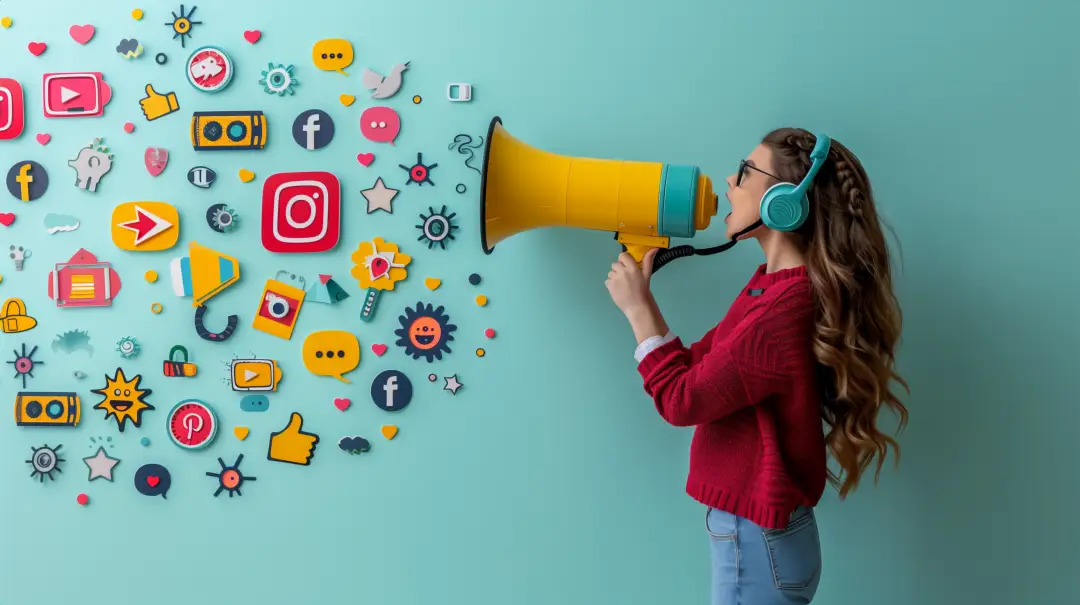
Digital marketing is constantly changing, and the year 2025 brings a series of new trends that will shape the way brands communicate with consumers. Advances in artificial intelligence, changes in user behavior, the growth of e-commerce and new technologies require a strategic approach and adaptation. Companies that understand these trends and implement them in their marketing strategies will have a competitive advantage.
Artificial intelligence as a key tool in marketing
Artificial intelligence is no longer just an add-on, but is becoming a central part of digital marketing. AI tools enable personalization of content, optimization of campaigns and analysis of large amounts of data in real time. Examples include generative AI platforms for content writing, predictive models that identify potential customers, and marketing campaign automation tools. Brands using AI can better understand their users, reduce advertising costs and increase the effectiveness of their campaigns.
Generative content optimization (GEO)
With the rise of AI chats like ChatGPT and Google SGE, traditional SEO approaches are becoming insufficient. Generative content optimization focuses on creating quality, relevant and contextually adapted content that AI algorithms favor. This includes structuring the content, choosing the right keywords, as well as integrating multimedia elements. Brands that implement GEO strategies have a greater chance to stand out in the digital space and increase organic traffic.
Emotional marketing and vibe marketing
Vibe marketing emphasizes emotions and authenticity. AI tools now enable brands to quickly create creative content that evokes an emotional response from users. Instead of focusing solely on data and numbers, brands are using emotional connection to create a deeper connection with their audience. This approach increases engagement, fosters loyalty and strengthens brand perception.
Social media and micro-engagement
While viral content continues to attract attention, the focus is shifting towards micro-engagement. Brands actively participate in comments, discussions and small interactions with users. This strategy builds community, increases trust and encourages users to interact. Timely responses and personalized messages are becoming key to long-term success on social networks.
Direct purchase via social networks
Platforms like Instagram, TikTok, and Facebook allow users to shop within the app. This functionality reduces the barrier between interest and purchase, increases conversions, and makes it easier to track the results of marketing campaigns. Brands that integrate direct shopping into their strategies are achieving a better connection between social media and online sales.
Voice search and audio content
Smart devices and voice assistants are becoming more prevalent, which means optimizing for voice search is becoming a necessity. Brands should think about content in a question-and-answer format, use natural language, and create audio content like podcasts. Audio marketing allows you to reach an audience that prefers to listen and increases engagement beyond traditional digital channels.
Brand sustainability and transparency
In 2025, consumers increasingly choose brands that demonstrate social responsibility and care for the environment. Transparency in business, ethical procedures and sustainable practices are becoming key to building trust. Brands that clearly communicate their values and act responsibly strengthen user loyalty and differentiate themselves from the competition.
Content personalization
Personalization is key to increasing engagement and conversions. The use of data on user behavior, preferences and history of interactions enables the creation of customized offers and content. Brands that successfully implement personalization can increase customer satisfaction and achieve better results from marketing campaigns.
Video content and live streaming
Video content remains dominant, and livestreaming allows brands to communicate in real time. Live broadcasts are used to showcase products, educate audiences, and interact with users. This format increases trust, engagement, and provides added value to users.
Marketing Mix (MMM)
Due to the fragmentation of media and different channels, marketing mix modeling (Marketing Mix Modeling) becomes a necessary tool. MMM helps brands understand the effectiveness of individual channels, optimize budgets and make informed decisions about marketing strategies. Marketing mix, also known as Marketing Mix Modeling (MMM) , is an analysis method that helps companies understand how different marketing channels and activities contribute to sales and business results. Instead of relying only on individual metrics, MMM provides a holistic view of the effectiveness of all marketing efforts.
Conclusion
Digital marketing in 2025 requires adaptation to new technologies, AI tools and changes in consumer behavior. Brands that integrate artificial intelligence, personalization, sustainability and audience interaction through social networks and websites will have a competitive advantage. Monitoring trends, constant analysis and flexibility are key to success in a dynamic digital environment.